

 English
 Spanish
 French
 German
 Italian
 Chinese (Simplified)
 Japanese
 Korean
 Arabic
 Portuguese
-
Our Products
- Cooking Oils
- Beverages
- Hazelnut Paste
- Ingredients & Sweeteners
- Herbs & Spices
- Dairy Products
- Medical Gloves
- Chemical Products
- Acid Oils
- A4 Size Copy Papers
- Agricultural Nuts
- Chemicals
- N Hexane
- N Butanol
- Linear Alkyl Benzene Sulphonic Acid (Labs)
- Red And White Mercury
- Nonylphenol Ethoxylate
- Methyl Ester Sulphonate
- Sodium Hyaluronate Powder
- Silicyclic Acid
- Propanediol 1 3
- PET Resin
- Magnesium Sulfate Monohydrate
- Low Density Polyethylene (ldpe)
- Lauryl Alcohol
- L-Lysine Monohydrochloride 99%
- Isopropyl Alcohol (ipa)
- Ethylene Propylene Diene Monomer (epdm)
- Bitumen Tar
- Trehalose Food Grade
- Propylene Glycol
- Sodium Lauryl Sulfate
- Sodium Benzoate
- Trisodium Phosphate
- Sodium Lauryl Ether
- Sodium Perborate Monohydrate
- Trithanolamine Tea 99%
- Phosphoric Acid
- Sodium Lauryl Ether Sulphate 70%
- Magnesium Chloride
- Ethylene Glycol
- Butyl Cellosolve
- Engine Degreaser
- Isopropyl Alcohol 99.8%
- Boric Acid
- Np9 Nonylphenol Ethoxylates
- Sodium Borate
- Cocodiethanolamide (Cdea)
- Acrylic Acid
- Soda Ash Dense
- Cocamidopropyl Betaine (Cab-30)
- Linear Alkyl Benzene Sulfonic Acid (Labsa)
- Tolu-ene Solvent
- Potassium And Sodium Cya-nide
- Face Mask
- Infrared Thermometer
- Soap Noodles
- White Mineral Oil
- Zinc Ash
- Petroleum Jelly
- Lentils & Pulses
- Coffee Bean
- Fructose
- Citric Acid
- Lanoline
- Fresh Table Eggs
- Phosphoric Acid
- Pasta & Sauces
- Farm Fresh Agro Products
- Yellow Corn (Maize)
- Agro Products & Grains
- Home Page
- Company Profile
- Contact Us


 Send Inquiry
Used Engine Oil
Used Engine Oil Specification
- Boiling point
- >300C
- Solubility
- Insoluble in water; soluble in hydrocarbons
- HS Code
- 27101980
- Taste
- Not intended for consumption
- Density
- 0.89 Gram per cubic centimeter(g/cm3)
- Refractive Rate
- Not typically measured
- Molecular Formula
- Mixture (predominantly C8C50 hydrocarbons)
- Form
- Viscous liquid
- Poisonous
- Yes
- Smell
- Characteristic burnt oil odour
- Other Names
- Spent engine oil, waste engine oil
- Structural Formula
- Complex mixture, not applicable
- Shape
- Liquid
- Purity
- Varies; contains impurities and degradation products
- Molecular Weight
- Variable
- Ph Level
- Neutral to slightly acidic
- Melting Point
- Not Applicable (liquid at ambient temperature)
- Storage
- Store in sealed containers in a cool, ventilated area
- Classification
- Hydrocarbon oil; hazardous waste
- Chemical Name
- Lubricating Oil, Used
- CAS No
- 68476-30-2
- Grade
- Unrefined/Recycled
- Standard
- Meets local recycling and disposal regulations
- Type
- Used Engine Oil
- Usage
- Recycling, fuel for industrial burners, lubricant reclaim, re-refining
- Main Material
- Mineral-based lubricating oils blended with additives
- Application
- Industrial, Oil Industry
- Disposal Method
- Requires licensed hazardous waste handler
- Color
- Dark brown to black
- Viscosity
- Typically 80-130 cSt @ 40C
- Packaging
- Barrels, containers, bulk tankers
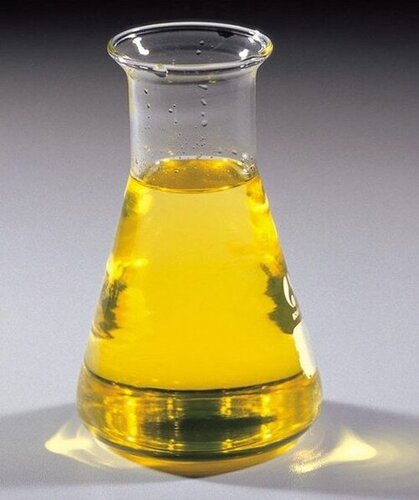
- Appearance
- Thick, opaque liquid
- Regulatory Compliance
- Subject to EPA/Basel Convention for transboundary movement and disposal
- Environmental Hazard
- High, must not be released untreated
- Ash Content
- 0.2-1%
- Additives Content
- Depleted compared to fresh engine oil
- Water Content
- Generally <1%
- Sulfur Content
- Up to 1.5% depending on engine and oil type
- Conductivity
- Low
- Flash Point
- >200C
- Shelf Life
- Indefinite if properly stored
- Compatibility
- Not suitable for direct reuse; must be processed
- Contaminants
- May include metal particles, soot, fuel residues, and oxidized products
Used Engine Oil Trade Information
- Minimum Order Quantity
- 20 Tons
- FOB Port
- request
- Payment Terms
- Letter of Credit (L/C), Telegraphic Transfer (T/T)
- Supply Ability
- 1000 Tons tons Per Month
- Delivery Time
- 25 Days
- Packaging Details
- drums or tanks
- Main Export Market(s)
- Australia, South America, Western Europe, Middle East, Central America, Africa, Asia, Eastern Europe, North America
About Used Engine Oil
USED ENGINE OIL SPECIFICATIONS
| Test | Units | Methods | Result |
| @ 15C | ASTM-D4052 | 0.88 |
|
| Colour | Max | ASTM-D1500 | 6 |
| MinC | ASTM-D93 | 70-80 |
|
| - MaxC | ASTM-D97 | -7 |
|
| Viscosity@ 50 C | Cst | ASTM-D445 | 60 |
| Sulfur Content | - Max WT% | ASTM-D4294 | Below 0.5% |
| Water | WT % | ASTM-D482 | 3% |
| Appearance | - | Visual | Black |
| Sediment |
|
| Below 0.5% |
Safety and Handling
Due to its hazardous nature and high contaminant levels, used engine oil must be stored in sealed containers away from heat and moisture, in cool, well-ventilated areas. Always use appropriate personal protective equipment when handling, and avoid direct contact or inhalation. Disposal and transport must comply with local regulations and may require a licensed hazardous waste handler.
Environmental Impact and Disposal
Used engine oil poses a significant environmental hazard if released untreated. It contains toxic compounds and impurities that can contaminate soil and water. Disposal should only be performed by authorized dealers or waste management companies, following EPA and Basel Convention protocols for international movement and hazardous material processing.
Recycling and Industrial Applications
Although not suitable for direct reuse, used engine oil can be recycled, re-refined into base oil for new lubricants, or utilized as fuel in industrial burners. Recycling methods remove most contaminants, extending useful life and reducing waste. Re-refining helps conserve resources, while energy recovery from burning supports industrial processes.
FAQs of Used Engine Oil:
Q: How should used engine oil be stored to ensure safety and compliance?
A: Store used engine oil in sealed barrels or containers in cool, ventilated areas away from direct sunlight and ignition sources. Proper labeling and storage prevent leaks and minimize the risk of environmental contamination, helping to meet safety regulations.Q: What are the steps involved in the disposal process of used engine oil?
A: Disposal requires transfer to a licensed hazardous waste handler. The oil is collected, transported, and either recycled, re-refined, incinerated, or safely destroyedall procedures must comply with local, national, and international environmental regulations like those set by the EPA and Basel Convention.Q: When should used engine oil be processed or recycled rather than directly reused?
A: Since used engine oil contains contaminants and depleted additives, it must never be directly reused. Recycling or re-refining is essential whenever oil is removed from engines, ensuring purification and suitability for industrial applications while protecting health and the environment.Q: Where is used engine oil typically generated and packaged?
A: Used engine oil is collected after routine maintenance in automotive, industrial, and transport engines. It is then packaged in barrels, containers, or shipped in bulk tankers for distribution, recycling, or disposal by manufacturers, distributors, and traders.Q: What are the main industrial applications and benefits of recycling used engine oil?
A: Recycled or re-refined used engine oil is processed into fuel for industrial burners or reclaimed as base oil for new lubricants. This reduces reliance on virgin oil resources, lowers hazardous waste disposal, and supports sustainable industrial operations.Q: How does regulatory compliance influence the handling and export of used engine oil?
A: Regulations such as the EPA rules and Basel Convention restrict the movement and disposal of hazardous waste, including used engine oil. All shipments and handling must conform to these requirements to prevent environmental harm and legal penalties.Q: What risks are associated with improper disposal or handling of used engine oil?
A: Improper disposal can lead to soil and water contamination, toxic exposure, and regulatory violations. Used engine oil contains hazardous substances that pose serious health and ecological risks if not correctly managed and processed.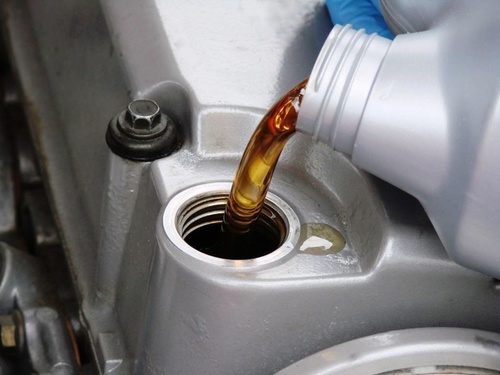

Price:
- 50
- 100
- 200
- 250
- 500
- 1000+

More Products in Chemical Products Category
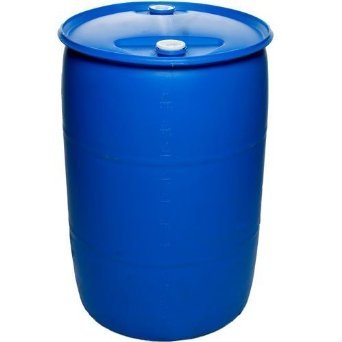
N Propyl Acetate
Price 800 USD ($)
Minimum Order Quantity : 20 Tons
Form : Liquid
Storage : Other, Store in cool, wellventilated area away from sources of ignition
Grade : Other, Industrial, Pharma
Purity : >=99%
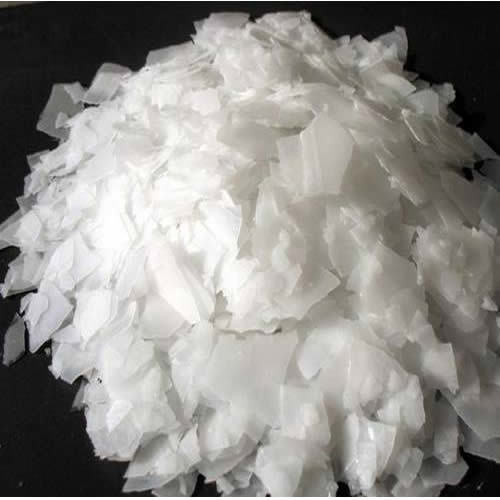
Paraffin Wax
Form : Solid
Storage : Other, Cool dry place away from direct sunlight
Grade : Industrial Grade
Purity : Typically 99.5% or higher
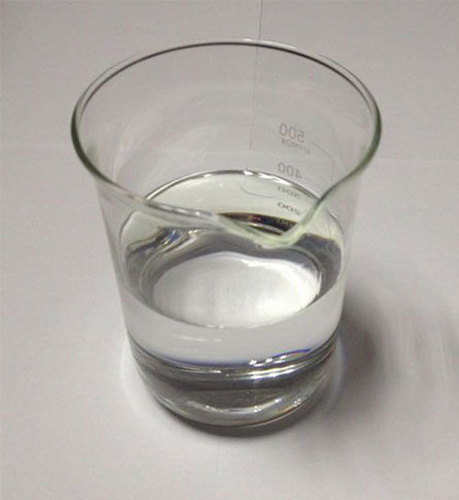
Mct Oil
Form : Liquid
Storage : Other, Store in a cool dry place away from direct sunlight
Grade : Food Grade
Purity : 99% Min
Linear Alkyl Benzene Sulfonic Acid (labsa)
Price 1200 USD ($) / Metric Ton
Minimum Order Quantity : 20
Form : Liquid
Storage : Room Temperature
Grade : Industrial Grade
Purity : High

GST : None

- JLN Sarawak,Kuching - 93350, Sarawak, Malaysia
- Phone : 1-801-4490452

- Mr Ooi Eng Keong (Manager )
- Mobile : +60183735438
-
 Send Inquiry
- emai id:globaltradingsa30@gmail.com
 Send Inquiry
 Send Inquiry
 Call Me Free
Developed and Managed by Infocom Network Private Limited.

