

 English
 Spanish
 French
 German
 Italian
 Chinese (Simplified)
 Japanese
 Korean
 Arabic
 Portuguese
-
Our Products
- Cooking Oils
- Beverages
- Meat & Poultry Products
- Hazelnut Paste
- Ingredients & Sweeteners
- Herbs & Spices
- Dairy Products
- Medical Gloves
- Chemical Products
- Acid Oils
- A4 Size Copy Papers
- HEALTH & MEDICALS
- Agricultural Nuts
- Chemicals
- N Hexane
- N Butanol
- Linear Alkyl Benzene Sulphonic Acid (Labs)
- Red And White Mercury
- Nonylphenol Ethoxylate
- Methyl Ester Sulphonate
- Sodium Hyaluronate Powder
- Silicyclic Acid
- Propanediol 1 3
- PET Resin
- Magnesium Sulfate Monohydrate
- Low Density Polyethylene (ldpe)
- Lauryl Alcohol
- L-Lysine Monohydrochloride 99%
- Isopropyl Alcohol (ipa)
- Ethylene Propylene Diene Monomer (epdm)
- Bitumen Tar
- Trehalose Food Grade
- Propylene Glycol
- Sodium Lauryl Sulfate
- Sodium Benzoate
- Trisodium Phosphate
- Sodium Lauryl Ether
- Sodium Perborate Monohydrate
- Trithanolamine Tea 99%
- Phosphoric Acid
- Sodium Lauryl Ether Sulphate 70%
- Magnesium Chloride
- Ethylene Glycol
- Butyl Cellosolve
- Engine Degreaser
- Isopropyl Alcohol 99.8%
- Boric Acid
- Np9 Nonylphenol Ethoxylates
- Sodium Borate
- Cocodiethanolamide (Cdea)
- Acrylic Acid
- Soda Ash Dense
- Cocamidopropyl Betaine (Cab-30)
- Linear Alkyl Benzene Sulfonic Acid (Labsa)
- Tolu-ene Solvent
- Potassium And Sodium Cya-nide
- Face Mask
- Fresh Garlic
- Infrared Thermometer
- Soap Noodles
- White Mineral Oil
- Zinc Ash
- Petroleum Jelly
- Lentils & Pulses
- Coffee Bean
- Fructose
- Citric Acid
- Lanoline
- Fresh Table Eggs
- Phosphoric Acid
- Pasta & Sauces
- Farm Fresh Agro Products
- Agricultural Spices And Waste Pruducts
- Yellow Corn (Maize)
- Agro Products & Grains
- Grain & Seeds
- Home Page
- Company Profile
- Contact Us


 Send Inquiry
N Propyl Acetate
N Propyl Acetate Specification
- Refractive Rate
- 1.393-1.395 (20C)
- Structural Formula
- CH3COOCH2CH2CH3
- Form
- Liquid
- Solubility
- Insoluble in water, miscible with most organic solvents
- Poisonous
- Yes
- Smell
- Pleasant, pear-like odor
- Melting Point
- -95C
- Molecular Formula
- C5H10O2
- Other Names
- 1-Propyl Acetate, Propyl Ethanoate
- Molecular Weight
- 102.13 g/mol
- Storage
- Store in cool, well-ventilated area away from sources of ignition
- Shape
- Liquid
- HS Code
- 29153990
- Purity
- >=99%
- Ph Level
- Neutral
- Density
- 0.888 Gram per cubic centimeter(g/cm3)
- Boiling point
- 101102C
- Taste
- Fruity
- Classification
- Esters
- Chemical Name
- N-Propyl Acetate
- CAS No
- 109-60-4
- EINECS No
- 203-686-1
- Grade
- Industrial, Pharma
- Standard
- Meets industrial & laboratory standards
- Type
- Organic Solvent
- Usage
- Industrial solvent
- Main Material
- N-Propyl Acetate
- Application
- Used as a solvent in coatings, inks, fragrances, and cleaning agents
- Vapor Pressure
- 29 mmHg (20C)
- Explosion Limits
- Lower: 2.1 vol%, Upper: 10.4 vol%
- Viscosity
- 0.74 mPas at 25C
- Stability
- Stable under recommended storage conditions
- Autoignition Temperature
- 460C
- Hazard Class
- Flammable Liquid (Class 3)
- Appearance
- Clear, colorless liquid
- Shelf Life
- 24 months under proper storage
- Flash Point
- 14C (Closed cup)
- Packaging
- 200 kg drums, 20 kg carboys, bulk tankers
N Propyl Acetate Trade Information
- Minimum Order Quantity
- 20 Tons
- FOB Port
- request
- Payment Terms
- Letter of Credit (L/C), Letter of Credit at Sight (Sight L/C), Telegraphic Transfer (T/T)
- Supply Ability
- 1000 Tons tons Per Month
- Delivery Time
- 25 Days
- Sample Policy
- Contact us for information regarding our sample policy
- Packaging Details
- per customer request
- Main Export Market(s)
- Australia, North America, South America, Eastern Europe, Western Europe, Middle East, Africa, Asia, Central America
About N Propyl Acetate
CAS109-60-4 N-Propyl acetate
Description:
| Product Name: | n-Propyl acetate |
| Synonyms: | Acetic acid n-propyl ester; N-BUTYLE BROMURE; Propyl Acetate; NPAC |
| CAS RN.: | 109-60-4 |
| EINECS: | 203-686-1 |
| Molecular Weight: | 102.1317 |
| Molecular Formula: | C5H10O2 |
| Density: | 0.891g/cm3 |
| Melting Point | -95 |
| Boiling Point | 101.4C at 760 mmHg |
| Flash Point | 12.8C |
| refractive_index: | 1.387 |
| Water Solubility: | 2g/100 mL (20) |
Versatile Industrial Solvent
N-Propyl Acetate serves as a reliable solvent across coatings, printing inks, fragrances, and cleaning agent manufacturing. Its excellent solvency properties, pleasant odor, and rapid evaporation make it suitable for high-performance industrial processes. Standard compliance ensures consistent results in both industrial and laboratory environments.
Safe Handling and Storage
Due to its flammable nature (Class 3), N-Propyl Acetate must be stored in a cool, well-ventilated area away from sources of ignition. It should be kept in tightly sealed containers, preferably in designated safety storage for flammable liquids. Proper storage ensures stability and prolongs its usable life up to 24 months.
Packaging and Supply Solutions
Available in various packaging options such as 200 kg drums, 20 kg carboys, and bulk tankers, N-Propyl Acetate can be supplied in quantities matching industrial demands. Its standard meets both industrial and laboratory requirements, ensuring reliable supply for distributors, exporters, and end users throughout India and abroad.
FAQs of N Propyl Acetate:
Q: How should N-Propyl Acetate be stored to ensure maximum shelf life?
A: Store N-Propyl Acetate in a cool, well-ventilated area, away from heat sources and direct sunlight. Use tightly sealed containers and keep them away from ignition hazards to maintain product stability and maximize the 24-month shelf life.Q: What are the main industrial applications of N-Propyl Acetate?
A: N-Propyl Acetate is used extensively as a solvent in the manufacturing of coatings, inks, fragrances, and cleaning agents due to its effective solvency, rapid evaporation rate, and pleasant odor.Q: When does N-Propyl Acetate become a fire hazard during use or storage?
A: N-Propyl Acetate is classified as a flammable liquid (Class 3) with a flash point of 14C. It can ignite easily if exposed to open flames, sparks, or high temperatures, especially in confined or poorly ventilated spaces.Q: Where is N-Propyl Acetate typically supplied and packaged for industrial use?
A: The product is distributed, exported, and supplied in India and internationally. It is commonly packaged in 200 kg drums, 20 kg carboys, and bulk tankers to meet various industrial needs.Q: What benefits does N-Propyl Acetate offer compared to other solvents?
A: N-Propyl Acetate provides efficient solvency, a mild, fruity aroma, and compatibility with most organic solvents. Its rapid evaporation and stability make it preferred in industries needing quick drying times and low residue.Q: How is N-Propyl Acetate typically handled in industrial processes?
A: During industrial applications, N-Propyl Acetate is handled in well-ventilated areas using appropriate personal protective equipment. Standard operating procedures minimize vapor exposure and reduce fire risks.Q: What should be done if N-Propyl Acetate vapor is inhaled?
A: While not classified as poisonous, its vapors can irritate the respiratory system. If inhaled, move the affected individual to fresh air and seek medical attention if irritation persists.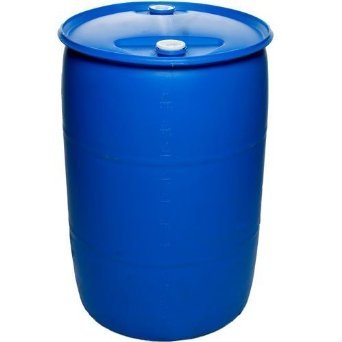

Price:
- 50
- 100
- 200
- 250
- 500
- 1000+

More Products in Chemical Products Category
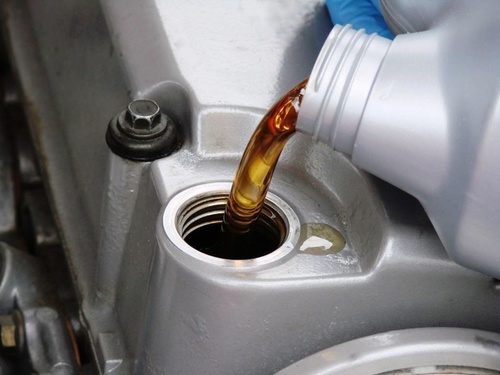
Used Engine Oil
Price 300 USD ($)
Minimum Order Quantity : 20 Tons
Storage : Other, Store in sealed containers in a cool, ventilated area
Grade : Other, Unrefined/Recycled
Form : Other, Viscous liquid
Purity : Varies; contains impurities and degradation products
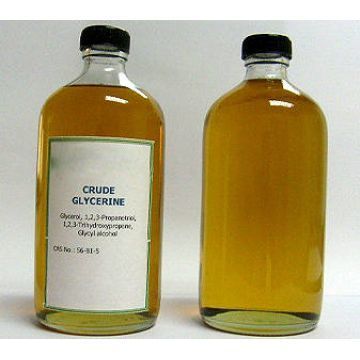
Crude Glycerine
Storage : Other, Store in a cool dry and wellventilated place away from direct sunlight
Grade : Crude, Other
Form : Liquid
Purity : 8088%
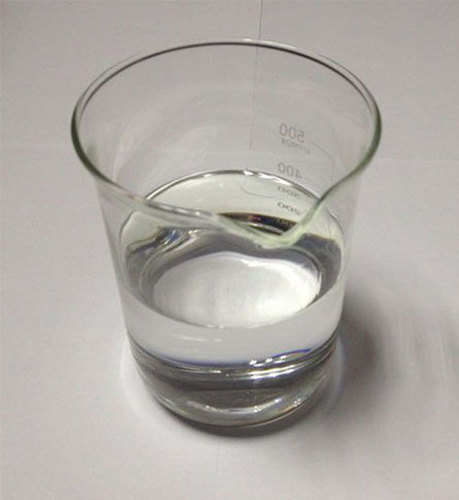
Xylene
Storage : Other, Keep tightly closed in a cool, wellventilated area away from heat sources and incompatible materials
Grade : Industrial Grade
Form : Other, Clear liquid
Purity : 99%
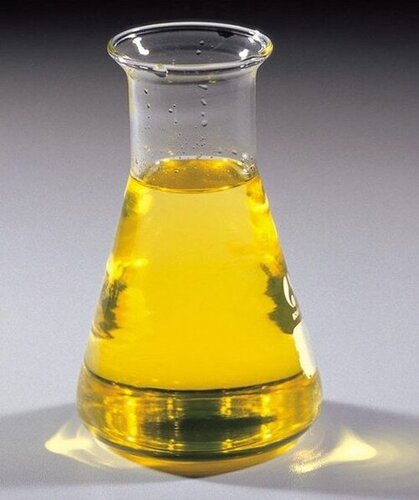
Linear Alkyl Benzene Sulfonic Acid (labsa)
Price 1200 USD ($) / Metric Ton
Minimum Order Quantity : 20
Storage : Room Temperature
Grade : Industrial Grade
Form : Liquid
Purity : High

GST : None

- JLN Sarawak,Kuching - 93350, Sarawak, Malaysia
- Phone : 1-801-4490452

- Mr Ooi Eng Keong (Manager )
- Mobile : +60183735438
-
 Send Inquiry
- emai id:globaltradingsa30@gmail.com
 Send Inquiry
 Send Inquiry
 Call Me Free
Developed and Managed by Infocom Network Private Limited.

