

 English
 Spanish
 French
 German
 Italian
 Chinese (Simplified)
 Japanese
 Korean
 Arabic
 Portuguese
-
Our Products
- Cooking Oils
- Beverages
- Hazelnut Paste
- Ingredients & Sweeteners
- Herbs & Spices
- Dairy Products
- Medical Gloves
- Chemical Products
- Acid Oils
- A4 Size Copy Papers
- Agricultural Nuts
- Chemicals
- N Hexane
- N Butanol
- Linear Alkyl Benzene Sulphonic Acid (Labs)
- Red And White Mercury
- Nonylphenol Ethoxylate
- Methyl Ester Sulphonate
- Sodium Hyaluronate Powder
- Silicyclic Acid
- Propanediol 1 3
- PET Resin
- Magnesium Sulfate Monohydrate
- Low Density Polyethylene (ldpe)
- Lauryl Alcohol
- L-Lysine Monohydrochloride 99%
- Isopropyl Alcohol (ipa)
- Ethylene Propylene Diene Monomer (epdm)
- Bitumen Tar
- Trehalose Food Grade
- Propylene Glycol
- Sodium Lauryl Sulfate
- Sodium Benzoate
- Trisodium Phosphate
- Sodium Lauryl Ether
- Sodium Perborate Monohydrate
- Trithanolamine Tea 99%
- Phosphoric Acid
- Sodium Lauryl Ether Sulphate 70%
- Magnesium Chloride
- Ethylene Glycol
- Butyl Cellosolve
- Engine Degreaser
- Isopropyl Alcohol 99.8%
- Boric Acid
- Np9 Nonylphenol Ethoxylates
- Sodium Borate
- Cocodiethanolamide (Cdea)
- Acrylic Acid
- Soda Ash Dense
- Cocamidopropyl Betaine (Cab-30)
- Linear Alkyl Benzene Sulfonic Acid (Labsa)
- Tolu-ene Solvent
- Potassium And Sodium Cya-nide
- Face Mask
- Infrared Thermometer
- Soap Noodles
- White Mineral Oil
- Zinc Ash
- Petroleum Jelly
- Lentils & Pulses
- Coffee Bean
- Fructose
- Citric Acid
- Lanoline
- Fresh Table Eggs
- Phosphoric Acid
- Pasta & Sauces
- Farm Fresh Agro Products
- Yellow Corn (Maize)
- Agro Products & Grains
- Home Page
- Company Profile
- Contact Us


 Send Inquiry
Toluene Diisocyanate
Toluene Diisocyanate Specification
- HS Code
- 29291010
- Other Names
- TDI
- Melting Point
- 20 C
- Molecular Weight
- 174.16 g/mol
- Boiling point
- 251 C
- Form
- Liquid
- Purity
- 99% Min
- Molecular Formula
- C9H6N2O2
- Density
- 1.214 Gram per cubic centimeter(g/cm3)
- Structural Formula
- OCNC6H4CH3NCO
- Poisonous
- Yes
- Solubility
- Slightly soluble in water, soluble in most organic solvents
- Shape
- Liquid
- Storage
- Keep container tightly closed, store in cool, dry, well-ventilated area
- Refractive Rate
- 1.569 at 20 C
- Smell
- Sharp, pungent odor
- Classification
- Hazardous chemical
- Chemical Name
- Toluene Diisocyanate
- CAS No
- 26471-62-5
- EINECS No
- 202-688-8
- Grade
- Industrial Grade
- Standard
- GB/T 2903-2008
- Type
- Isocyanate compound
- Usage
- Industrial
- Main Material
- Toluene Diisocyanate
- Application
- Used in the production of polyurethane foams, coatings, adhesives, and elastomers
- Hazard statements
- Harmful by inhalation, skin contact; may cause sensitization
- Vapor Pressure
- 0.01 mmHg at 25 C
- Autoignition Temperature
- 635 C
- Stability
- Stable under recommended storage conditions
- Appearance
- Clear to pale yellow liquid
- Flash Point
- 127 C (open cup)
- UN Number
- 2078
About Toluene Diisocyanate
TOLUENE DIISOCYANATE (TDI 80/20)
CAS: 584-84-9 UN NO.:2078 IMDG Class NO. : 6.1
1*20ft container loading qty: 20tons ( 250kgs/red iron drum)
| Test Item | Index | Test Result |
| Purity(WT)% | 99.7min | 99.8 |
| 2,4-Isomer% | 80+/-1 | 79.6 |
| 2,6-Isomer% | 20+/-1 | 19.6 |
| Acidity%(HCL) | 0.0015MAX | 0.0004 |
| Hydrolyzable Chloride(WT)% | 0.004MAX | 0.0033 |
| Color (APHA) | 15 MAX | 5 |
| Total Chloride(WT)% | 0.018 MAX | 0.005 |
| Appearance | In compliance with the above specification. | |
Versatile Material for Polyurethane Production
Toluene Diisocyanate is integral to the production of high-performance polyurethane materials. Its unique chemical structure allows for the creation of flexible foams, durable elastomers, and strong adhesives and coatings. The compounds industrial-grade purity ensures optimal results for manufacturing applications, making it widely preferred in construction, furniture, automotive, and packaging sectors.
Handling and Storage Precautions
Safety is paramount when working with Toluene Diisocyanate. The compound should be stored in a cool, dry, and well-ventilated area, with containers kept tightly sealed to maintain stability. Due to its hazardous nature, proper personal protective equipment is essential to prevent inhalation and skin contact. Following recommended guidelines ensures safe handling and longevity of the product.
FAQs of Toluene Diisocyanate:
Q: How is Toluene Diisocyanate typically used in industrial applications?
A: Toluene Diisocyanate is mainly utilized for producing polyurethane foams, coatings, adhesives, and elastomers. These products are essential in industries such as automotive, construction, furniture, and packaging.Q: What safety precautions should be taken when handling Toluene Diisocyanate?
A: It is important to use appropriate personal protective equipment such as gloves, goggles, and masks. Additionally, handling should be done in well-ventilated areas and containers should be kept tightly closed to prevent harmful exposure.Q: When is the ideal time to store or use Toluene Diisocyanate?
A: Toluene Diisocyanate should be stored and used under recommended conditionsspecifically, in a cool, dry, and well-ventilated area. Avoid exposure to moisture or open flames, as the compound is sensitive and possesses a flash point of 127C.Q: Where should Toluene Diisocyanate be stored for optimal stability?
A: Store Toluene Diisocyanate in tightly sealed containers, placed in a cool, dry, and well-ventilated storage space. This prevents contamination and maintains its stability and effectiveness.Q: What is the process for using Toluene Diisocyanate in polyurethane manufacturing?
A: The process involves mixing TDI with polyols and catalysts under controlled conditions to initiate a chemical reaction that forms polyurethane foam or elastomers. Proper temperature, mixing ratio, and safety protocols must be maintained during production.Q: What are the benefits of using Toluene Diisocyanate in manufacturing?
A: Toluene Diisocyanate offers high reactivity and purity, enabling the production of versatile polyurethane materials with excellent mechanical strength, flexibility, and durability, meeting diverse industrial requirements.Q: Is Toluene Diisocyanate soluble in water or other solvents?
A: Toluene Diisocyanate is only slightly soluble in water but dissolves readily in most organic solvents, which makes it suitable for a variety of industrial formulations.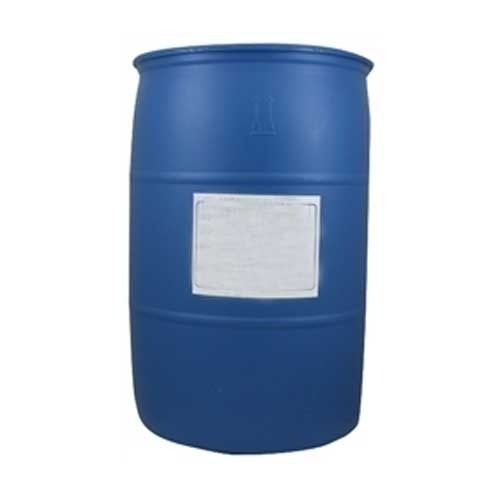

Price:
- 50
- 100
- 200
- 250
- 500
- 1000+

More Products in Chemical Products Category
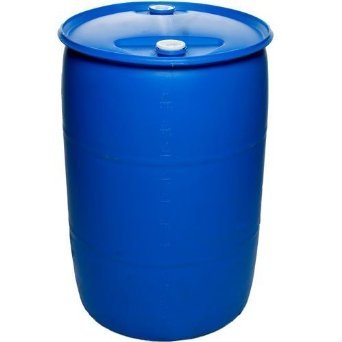
N Propyl Acetate
Price 800 USD ($)
Minimum Order Quantity : 20 Tons
Grade : Other, Industrial, Pharma
Form : Liquid
Usage : Industrial solvent
Solubility : Insoluble in water, miscible with most organic solvents
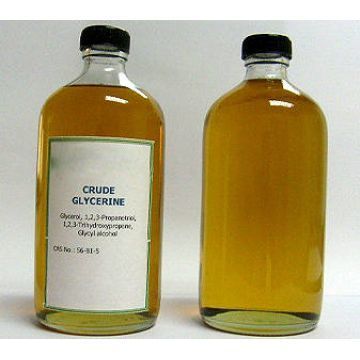
Crude Glycerine
Grade : Crude, Other
Form : Liquid
Usage : Industrial applications such as cosmetics pharmaceutical production and biodiesel manufacturing
Solubility : Miscible with water
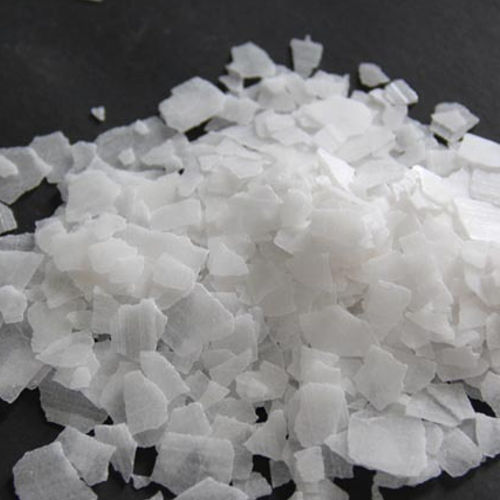
Potassium Hydroxide
Grade : Industrial Grade
Form : Solid
Usage : Soap manufacturing cleaning agents pH adjustment and chemical production.
Solubility : Freely soluble in water ethanol and glycerol
Sdic Water Treatment Chemical
Price 1200 USD ($)
Minimum Order Quantity : 20 Feet
Grade : Industrial Grade
Form : Solid
Usage : Industrial
Solubility : Solube in water

GST : None

- JLN Sarawak,Kuching - 93350, Sarawak, Malaysia
- Phone : 1-801-4490452

- Mr Ooi Eng Keong (Manager )
- Mobile : +60183735438
-
 Send Inquiry
- emai id:globaltradingsa30@gmail.com
 Send Inquiry
 Send Inquiry
 Call Me Free
Developed and Managed by Infocom Network Private Limited.

